


"Signs of Cyberbullying"
- Eara Macapanas
- Mar 6, 2020
- 2 min read

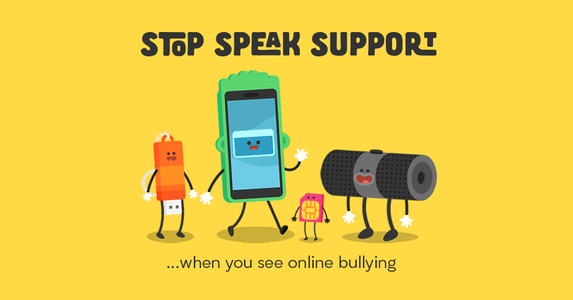
Stop Cyberbullying! Speak, Support and Help Bullied People!

According to Wikipedia, Cyberbullying or cyberharassment is a form of bullying or harassment using electronic means. It is also known as online bullying. It involves the use of information and communication technologies that support deliberate, hostile, and often repeated behaviour by an individual or group that is intended to hurt others. Although it is possible for anyone to be the victim of cyberbullying, it is the children and youth that the most common perpetrators and targets of this type of conduct.
Bullying behaviour involves the systematic abuse of power through unjustified and repeated acts intended to hurt or inflict some form of harm. Its impact can be direct; physical and verbal teasing or indirect; relational, such as social exclusion and spreading nasty rumours. Bullying is increasingly a problem for young persons and educators, especially given the developed and new technologies which makes it easy and wide distribution of communication.
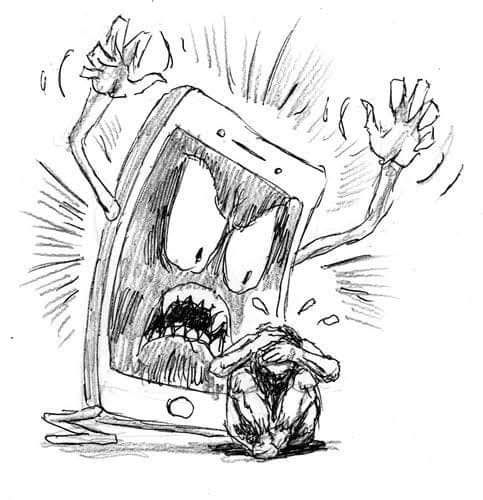
Thus, everyone can e a victim of cyberbullying. It can be you, your siblings, classmates and etc. if you know someone is being cyberbullied you should not ignore it and you should take an action. Also, there are times that people are being silent and ashamed that they are a victim of cyberbullying. In addition, Cyberbullying can be hurtful and makes a big impact on the way someone feels and acts. Here are some signs to watch out for:
You may notice your friend feeling:
• Anxious, sad, scared or stressed • Physically sick or having lots of headaches • Tired because they aren't getting much sleep • Ashamed, embarrassed or feeling bad about themselves • They seem upset, especially after receiving a text, email or being online • They might talk about wanting to run away or not wanting to be 'here' anymore • They could be having thoughts of hurting themselves or suicide
You might see changes in the way they act:
• They avoid going to school or even change schools • Your friend leaves class more often because they feel upset or unable to cope • They're having trouble staying focused in class or when doing school work • Your friend might stop doing their hobbies or the things they used to enjoy e.g. dance class, sports, music, online games • They don't want to be around people e.g. they talk less, they sit by themselves
You notice they act differently online:
• They might check their phone, iPad, or computer more often than usual or they suddenly stop going online or using their phone • Your friend seems more secretive about what they do/what happens online • They delete their profile or online accounts • Their parents or another adult have banned them from using the internet or their phone


Comments